
Discover cool ideas, tech trends, and behind-the-scenes stories from our world of games, apps, and innovation.


A game design document (GDD) is a living document that describes the game, how it plays, and how it is made. It is the single place where designers, artists, programmers, testers, and producers can go to see what the team has decided to make. Without a GDD, people fill in the spaces with their own assumptions. One person imagines a fast action game, another a slow tactical game, and this difference only becomes apparent once the work is underway. In this guide, you'll learn what a GDD is, why...
11 min read
Learn the main types of augmented reality, how marker-based, markerless, and location-based AR work, where each fits best, and how to choose the right one.
8 min read

See how augmented reality in e-commerce works, which use cases deliver value, and how to plan, build, and measure an AR shopping feature for your store.
6 min read
The game development process refers to the stages a team goes through from coming up with a game idea to releasing it. They include the concept, pre-production, production, testing, and launch and post-launch activities. Each stage has different deliverables, and each ends with a decision about the readiness to proceed. A neat list does not show one thing, which is crucial in real projects. Feedback from playtests brings changes in design, QA sends build versions back for fixes, and an...
11 min read
Game development outsourcing is often more affordable and faster to start, while in-house development gives you full control and keepsin all information within your organization. There is no one-size-fits-all strategy, and the best choice always comes down to your budget, timeline, and capabilities, as well as how much of the game concept you wish to retain. This guide compares in-house vs outsourced game development on the 3 things that matter to both producers and founders: cost, control...
8 min read
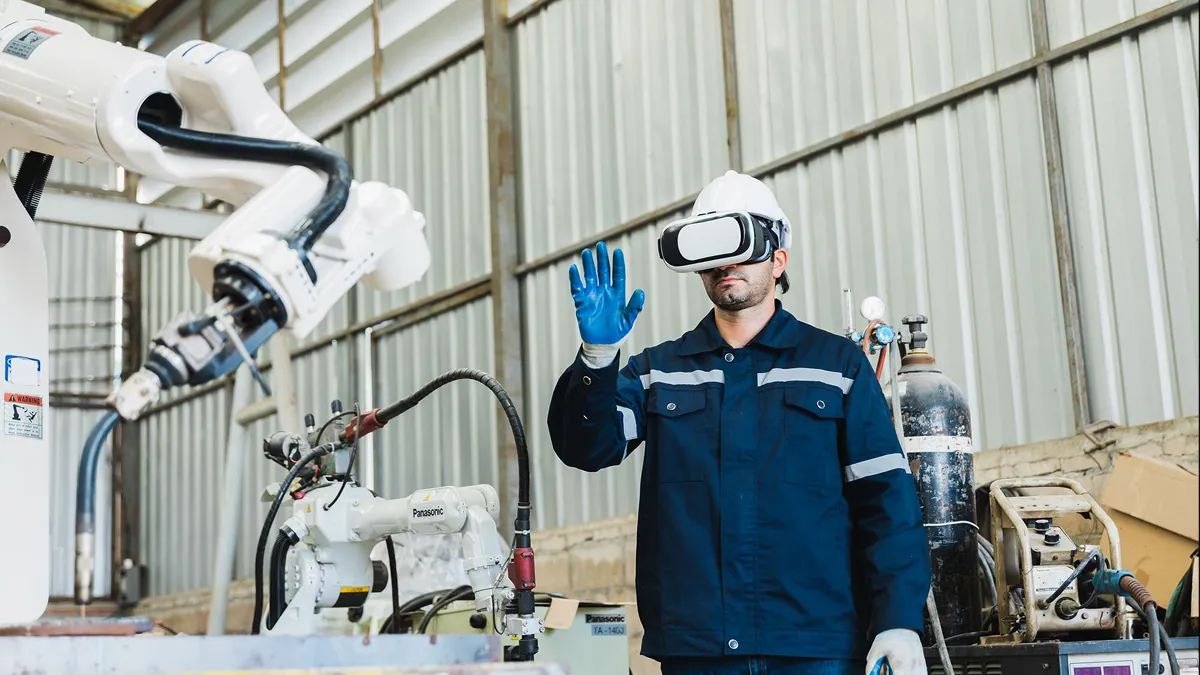
See why manufacturing, healthcare, construction, logistics, and energy teams are adopting XR training solutions, and how to roll them out with LMS integration.
10 min read
The realistic game development timeline starts at 6-12 weeks for a hyper-casual mobile game and up to 3-5 years for an AAA title. Most commercial game development projects take longer: from 3-6 months for a casual game to 6-12 months for a mid-core mobile game, and 6 months to 2 years for an indie game for PC. If your question is how long it takes to make a game, then the only helpful answer is in stages. This guide shows you the game development process timeline from scratch to support after...
8 min read
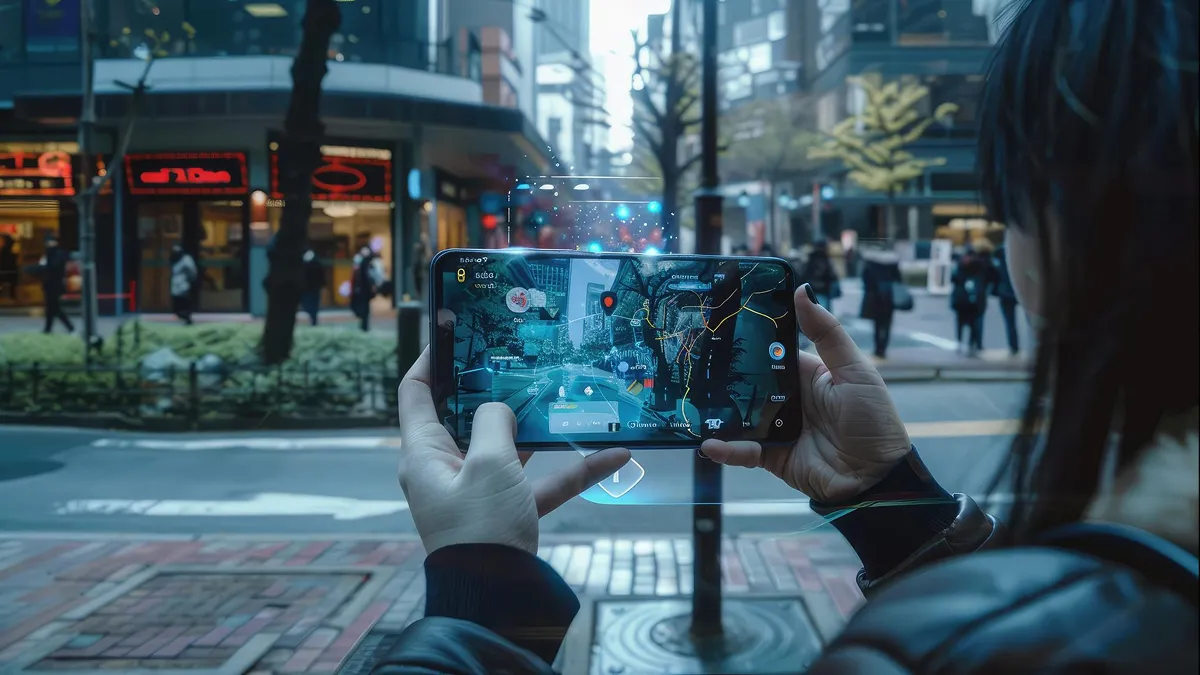
Learn what drives augmented reality app development cost, with 2026 market data, industry trends, indicative ranges, hidden expenses, and tips for comparing quotes.
10 min read
Game development cost varies between $10,000 for an ultra-light mobile game up to $300 million or even higher for a massive AAA project. The vast majority of commercially viable games fall between $100,000 and $5 million, depending on genre, platform, art style, the number of people on the team, and time of production. If you're wondering about the cost to develop a game, the reality is that there are a few choices that you can make that will determine the cost. Our guide on game development...
11 min read
A good presentation does not necessarily ensure success when the game goes live. It could turn out that the game crashes on mid-range devices, that the servers cannot cope with the load on the first day of the launch, or that the development studio no longer works on your project because it started to work on something else. In many ways, all of this is due to choosing the wrong studio. In determining which studio to choose for your project, the main thing is not to select the best studio...
14 min read
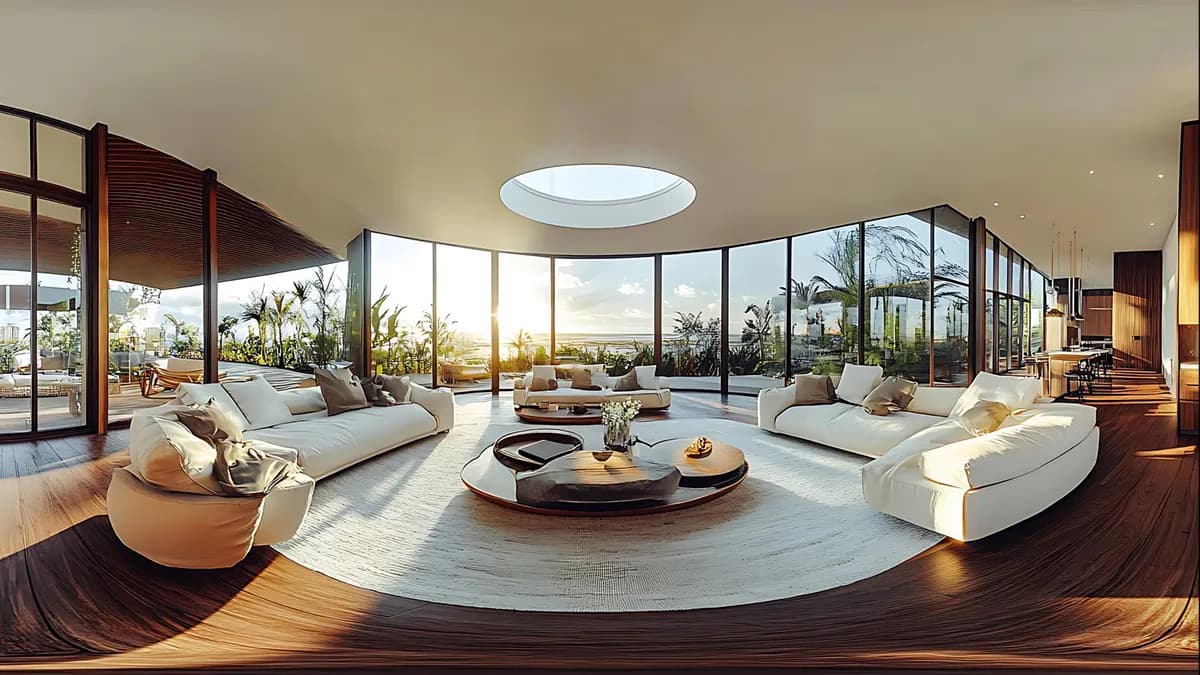
See what 360° virtual property tours deliver for real estate, what they can't do, how much they cost, and how to pick the right software or company.
7 min read
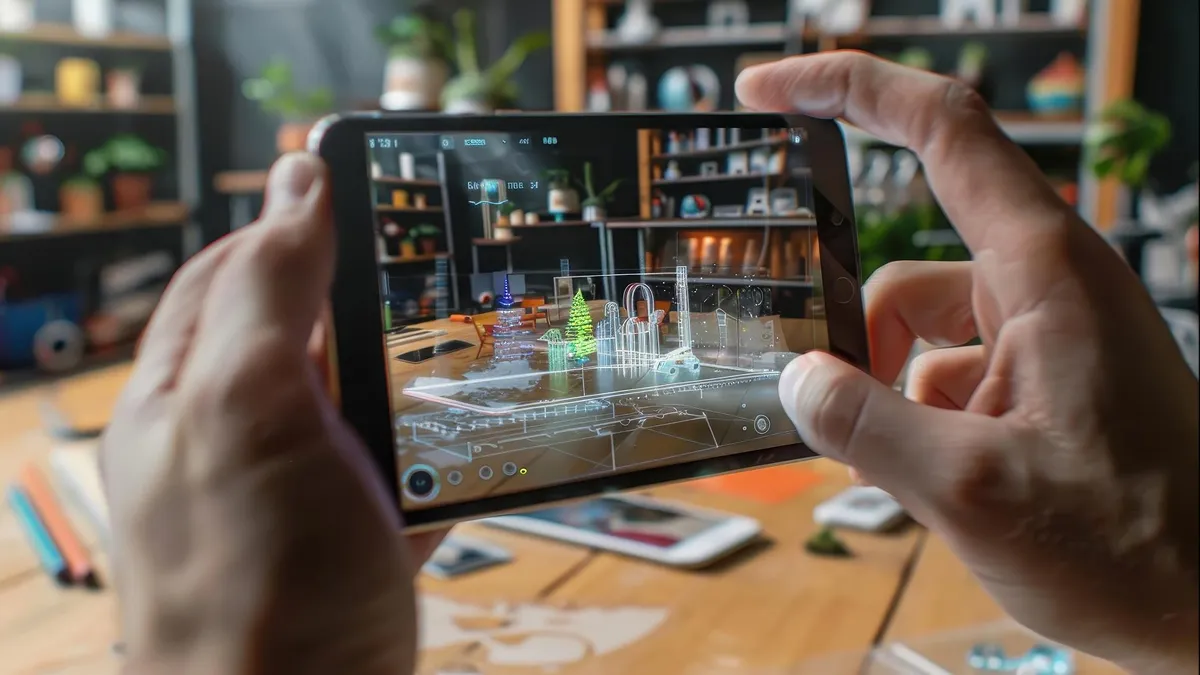
Learn the Augmented Reality App Development Process, from planning and UI design to development, testing, and deployment for immersive user experiences.
7 min read