The 3D artist for games transforms artistic ideas into high-quality visuals like characters, environments, props, and other assets. In 2026, video games are still dependent upon high-quality graphics, but without harming performance, development speed, and portability. An experienced professional artist will have a blend of both artistic and technical capabilities in order to execute the combination of needs needed. A 3D game artist will deal with different aspects of work from 3D modeling to texturing, while a freelance 3d game artist will be able to help out at busy times even if she is not a part of the development team. A properly skilled game artist will know what role a produced 3D object plays in the whole game development process. This is the reason why a suitable artist will increase visual elements quality, cut back on changes needed, and speed the whole process of development.
What does a 3D character artist do?
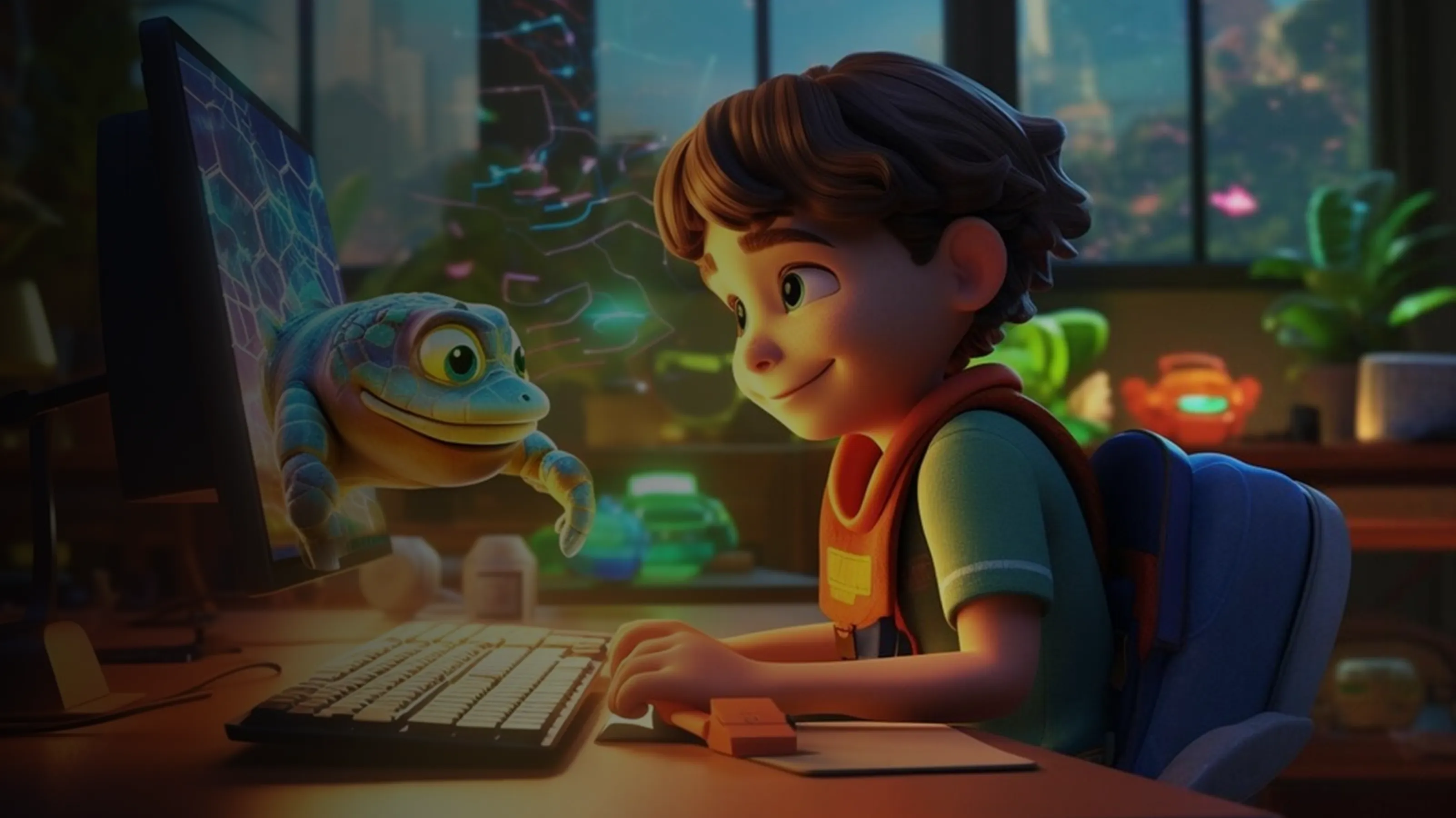
A character artist produces digital characters intended for video games, animation, and interactive storytelling. Their responsibilities may include sculpting, modeling, retopology, UV mapping, texturing, and creating materials. A 3D game artist is also concerned with the character’s motion, appearance from various camera angles, and behavior in the game engine. Unlike a static model, a character in a video game is expected to have correct topology, optimized geometry, and suitable texture resolution. The character artist may be responsible for creating many levels of detail depending on the distance of the view. This means that artistic insight and technical knowledge are equally necessary for the character artist.
Why hire a professional 3D artist for games?
Professional artists bring practical production experience that can benefit both large studios and smaller development teams. The following advantages explain why their expertise can make a difference.
1. Higher Visual Quality
The services of a professional 3d artist for games are vital for turning concept art and references into well-formed assets with good proportions, smooth shapes, and detailed surface finishes. They realize how colors, materials, textures, and lighting enhance the end look of the designed objects. Thus, the results do look sophisticated but without overdoing it. This balance helps establish a consistent style for the game.
2. Game-Ready Assets
Even a well-designed model does not guarantee success. A game artist 3d always pays due attention to topology, UV maps, texture maps, and materials while working on the asset. This will help rule out the possibility of making appealing but technically problematic assets and allow developers to add them to the game pipeline without significant pitfalls.
3. Better Performance
Real-time video games require a good balance between attractiveness and performance. High-quality 3D artists know how polygon count, size of textures, type of materials, and level of detail influence performance. They are capable of maintaining important visual characteristics while sacrificing complexity. This is particularly useful when a game is intended for various devices with different capabilities.
4. Consistent Art Direction
A video game can feature thousands of characters, from heroes to side roles, as well as props and surroundings, making it difficult to achieve consistency. With the help of qualified specialists, shapes, proportions, colors, materials, and surface details are maintained. Moreover, the 3d game artist can work on making fresh assets fit into the existing style instead of making creations that don't relate to the game visually.
5. Faster Production
Well-trained artists are aware of effective formats and can move from references to implementation faster. A freelance 3d game artist is able to get on board during busy production periods to provide their effective assistance. This way, game developers can boost their productivity without expanding their teams permanently. What is more, experienced artists can bring out common production issues earlier, which makes revisions less frequent.
6. Technical Expertise
Contemporary game design requires not only the creation of models. It is important to know PBR materials, optimization, real-time lighting, engine workflows, asset specifications, and platform capacity. A highly skilled artist is able to take them into account from the very beginning instead of correcting them at the last minute.
7. Stronger Character Design
The personality and emotional aspect of a game can be found in characters. One of the major responsibilities of a game artist 3d is to design believable characters with anatomy, clothing, accessories, facial features, and surface materials that can be used to animate the model. Moreover, he/she is skilled in silhouettes and visual readability, which means that characters can still be visually interesting and recognizable from far away and close up.
What is changing in game art in 2026?
The gaming sector is getting more involved in sustainable production methods and in stretching every bit of efficiency out of workflows. As the 2026 Game Development Report, released by Unity, says, around 52% of developers have turned their focus towards smaller projects, more or less to keep risk lower while the development is going on. The same study points out that the development time for projects made on Unity went down from 91 hours to 21 hours from January 2022 all the way to December 2025.
Also, game engines have started folding in a bunch of tools aimed at experience-based content making. The newest release of Unreal Engine showed up on the market in June 2026, and it brought improvements in world building, landscape and plant life, lighting, character sculpting, the animation pipeline, and also methods that work well on mobile devices. Beyond that, the company’s software teams are already getting ready for the release of Unreal Engine 6, and they’re aiming to make it more all-encompassing and hands-on, interactive in a more direct way. Moreover, this should lead to an extensive understanding of technical processes, as modern 3d artist for games have to know not only about visuals but also the real-time functioning of their projects.
How to choose the right 3D artist for games?
Hiring should involve more than checking whether a portfolio looks impressive. Consider the artist's relevance, technical ability, communication, and production experience.
Portfolio Relevance
Search for projects similar to your game’s genre, visual style, platform, and desired level of detail. An artist who specializes in realistic environments may not be suitable for a stylized mobile game. Examine completed projects and look for wireframes, textures, and engine screenshots. A relevant portfolio provides a clearer insight into an 3d artist for games' approach to creative work.
Technical Skills
Ask about topology, UV mapping, PBR texturing, LOD creation, optimizations, and integration into the engine. These skill sets indicate whether an artist knows about the technical aspects of real-time development. A skilled technical artist can detect possible problems that can occur in terms of performance during production.
Communication
Good communication is important in collaboration with other designers, developers, animators, and producers. A freelance 3d game artist should understand project briefs, clarify requirements, share progress, and respond properly to feedback. Good communication helps avoid misunderstandings, which may lead to costly rework of already completed designs.
Production Flexibility
Requirements for games can change during development. For a studio, it's possible to require new props, characters, or details in landscapes in the new stages of production. The ability of artists to adapt to changes in the project and preserve the stylistic vision is the right reason why outside help is reasonable, especially if the in-house teams are already fully engaged with completing the work.
What does a professional game art workflow include?
A structured workflow helps turn an initial concept into an optimized asset that can function inside a game. Each stage has a specific purpose.
Modeling and Sculpting
The process usually starts with defining the shape and proportion of the asset. Depending on the project, artists could use either polygon modeling or digital sculpting technology or a combination of both. The role of a 3d game artist is to do their best in terms of aesthetics with knowledge about how the asset will be used in the game.
Retopology and UV Mapping
High-resolution models should go through a process of geometry optimization before being used for the purpose of a real-time application. Retopology will help to create a better topology, and UV mapping will prepare the model for efficient working with textures.
Texturing and Materials
Textures define how surfaces respond to light and how materials appear during gameplay. Artists may create maps for color, roughness, metallic properties, normals, and other material characteristics. A game artist 3d professional checks these materials under different lighting conditions to maintain consistency. This ensures that the asset does not look correct only in a controlled render.
Engine Integration
Once the asset is created, testing should take place on the chosen game engine platform. The artist can check for measurements, materials, light effects, levels of detail, and overall visual quality in real time. A freelance 3d game artist can also make changes after getting feedback from the developers. Testing in the context can uncover other potential problems that one would not see when working with 3D software only.
How much do 3D artists charge?
Depending on the level of expertise involved, how complex the asset being created is, how large the project scope is, how long it is due for completion, where it is being made, and the technical requirements to be met, various levels of price are charged. A simple asset might involve less work than a character that has clothes, accessories, facial features, and several texture maps. A freelance 3d game artist may be paid on an hourly basis, based on each asset produced, or following the milestones of the project. Hence, the studios should determine beforehand how many assets will be done, what quality will be expected, whether revisions will be necessary, and when the assets should be delivered. The brief clearly describes the requirements, which makes the estimate more reasonable and lowers the chances of additional expenses during the project completion stage.
What is the cost of 3D game art?
3D game art prices are highly influenced by the project outlined to be done. Characters, environments, objects, vehicles, weapons, and complete asset packs could all incur quite different modeling and texturing costs. Also, the game artist 3d may need to take into account some optimization, engine integration requirements, and numerous variations. Hence, a standard price cannot be given for game art. Having an extensive list of required asset details is the best way to price the project, covering complexity, quality, platform, technical requirements, and deadlines.
Conclusion
Recruiting a qualified 3d artist for games projects is significant not only in enhancing the overall visual quality of a game but also in improving the technical aspect of the project. Artists develop unique assets that take art design to a different level. The game production companies are thus able to rely on skilled professionals in efforts to stick to tight deadlines and avoid unnecessary redoing the same parts of the game. In current times of technological progress, when modern game-engine systems become more powerful, the role of a freelance 3d game artist is becoming more significant. It is to be perceived necessary for any studio to consider the fact that hiring 3D artists today requires assessing their qualifications in accordance with different vectors of interest other than only their portfolio.
Written By Charu Sharma