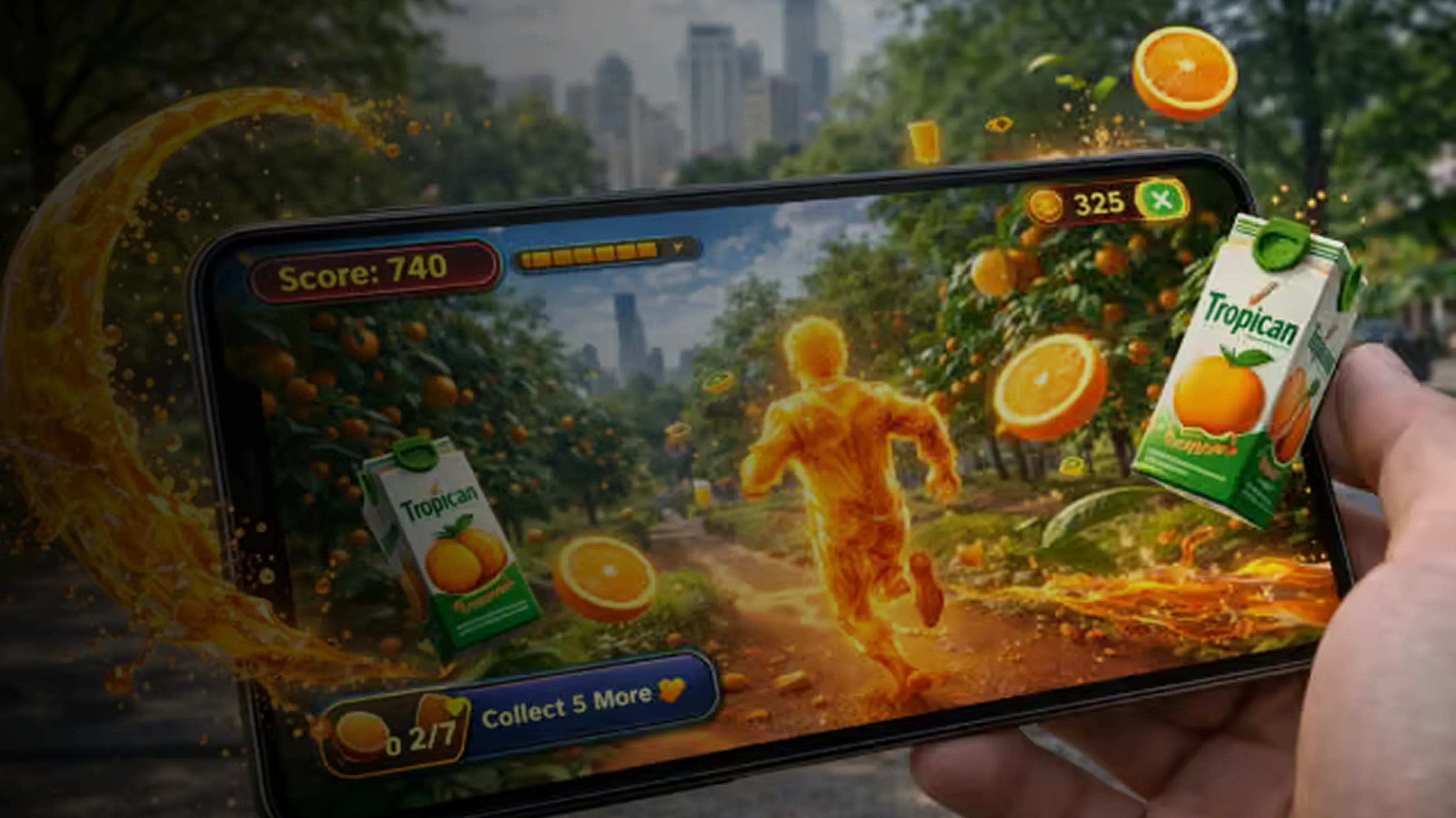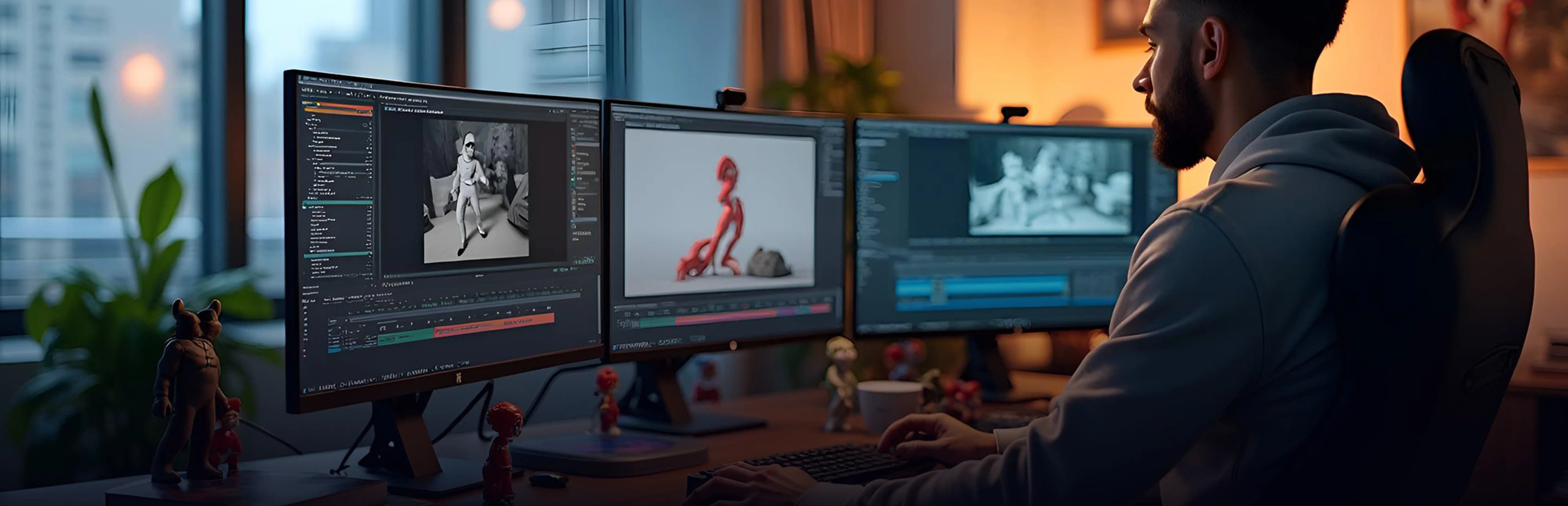
3D motion graphics animation is emerging as a visual communication medium for businesses that need to convey their message, demonstrate their product, or provide creative digital experiences. Unlike traditional graphics, animated graphics can convey information regarding movement, size, material, and interaction. Nowadays, studios are applying this technique not only for advertising but also in product launches, social media, entertainment, web, and other interactive processes. However, it is also worth mentioning that modern advancements in real-time rendering and accessible production software have made the process of animation easier and more adaptable. The coolest studios in 2026 are not just producing good-looking graphics. They create animated things by combining design, storytelling, and technology with a business message.
What is 3D motion graphics animation?
3D motion graphics animation refers to using a variety of 3D objects, typography, lighting, texture, camera movements, and visual effects to convey concepts through motion. Unlike typical character animation, 3D motion graphics can be applied not only to animated characters but also to products, shapes, environments, logos, UI, and information. 3D animation and motion graphics can be used in projects related to marketing and advertising, branding, video explainers, title sequences, product showcases, and digital apps. When developing 3D animations, designers may utilize different types of 3D animation motion graphics software such as Cinema 4D, Blender, Maya, or others. The advantage of 3D motion design is that it allows creative professionals to manipulate depth, movement, composition, textures, and visual rhythm. Therefore, motion graphics designers are able to create realistic visual product representations and very artistic animated sequences.
Why 3D Motion Graphics Is Growing in 2026
Improvements in 3D animation motion graphics software are also making complex production workflows more accessible. Artists can now combine modeling, animation, simulation, rendering, and compositing within increasingly flexible production environments.
Real-Time Production
Real-time workflows are dramatically changing the process of artists’ scene development and previewing. The already available version of the Unreal Engine 5.7, released in November, 2025, has included a range of updates in animation, MetaHuman technology, virtual production, and compositing, highlighting the shift to real-time production within the industry.
Faster Iteration
Now creative teams are able to check and adjust lighting, camera positions, materials, and other stage elements much earlier in the process, which provides them with a chance to deal with any issues immediately without waiting to finish each phase of the rendering.
Multi-Platform Content
The need for modern brands to implement an idea in several formats is becoming an increasing demand in the industry. A properly implemented 3D motion graphics animation project can be successfully rendered for websites, social media platforms, digital advertising, etc.
Interactive Experiences
Motion design is also now moving to interactive websites and other interactive experiences, meaning that studios have to know how animated assets work in the environment that is beyond the video timelines.
Better Visual Storytelling
3D enables authors to have improved control over how to control perspectives, scales, lights, and motions. Thus, brands can display complex products or ideas through visuals that cannot be achieved using images alone.
Top 10 3D Motion Graphics Animation Companies in 2026
The following companies stand out for their creative quality, technical capabilities, portfolio strength, and contribution to modern 3D and motion design.
1. Abhiwan Technology
Abhiwan Technology is a digital development company that offers 3D motion graphics animation, 3D art, game development, augmented and virtual reality, metaverse, and in-depth interactive solutions. The company combines creative designs combined with innovative development to create engaging digital experiences. Its activities include games, stunning visual art, and technologically driven applications.
2. BUCK
BUCK is a global studio that offers a unique combination of animation, design, illustration, and storytelling. It creates branding, advertising, and entertainment products with an emphasis on unique creative direction. This studio uses 3D animation and motion graphics to create unique visuals in support of brand messaging.
3. ManvsMachine
ManvsMachine is recognized for its sophisticated product visualization, motion graphic design, branding, and commercial activities. Its work includes 3D modeling, material application, lighting, camera movement, and animation to achieve perfection. This company is especially sought after by brands that want to incorporate 3D motion graphic design into their effective marketing and advertising campaigns.
4. The Mill
The Mill is a leading creative production firm that operates in the fields of advertising and design as well as visual effects and animation. It can perform CGI, live action, compositing, and post-production in large-scale campaigns thanks to its powerful production capabilities. The firm illustrates how 3D motion graphics animation can be integrated into various business and visual effects processes.
5. Territory Studio
Territory Studio works across film, games, motion design, visual effects, and digital experiences. Its projects often involve detailed environments, interfaces, graphics, and visual systems created for entertainment and technology-focused applications. The studio combines creative direction with technical production, making it relevant for complex 3D animation and motion graphics projects.
6. Psyop
Psyop is known for commercial animation, visual storytelling, character work, and creative production. Its projects often use characters, environments, effects, and animation to deliver a clear story. The studio also shows how 3D animation motion graphics software can enable great commercial projects while ensuring that technology does not dominate the creative idea.
7. Tendril
The company Tendril has earned itself a reputation by creating works of abstract 3D visualization, animated artistry, product photography, and experimental design. The creations made by this studio often aim to examine the interaction between materials, light, form, simulation, and motion, thus providing the experience of an original visual effect. It serves as a clear case where 3D motion design may be utilized to create artistic and sophisticated branding art.
8. FutureDeluxe
FutureDeluxe combines motion design with computer graphics, digital art, and creative technology to create experimental visual experiences. Most of its works deal with the experimentalization of unconventional forms, new 3D motion graphics animation, and other innovative concepts in such areas as technologies, fashion, entertainment, culture, etc.
9. Ordinary Folk
Ordinary Folk is a studio that specializes in creating animation, illustration, design, and visual storytelling. It emphasizes the use of animation and visual plans to make complicated ideas comprehensible. It also shows that 3D animation and motion graphics can add value to the message being delivered while keeping the whole experience simple and interesting.
10. Giant Ant
Giant Ant is a studio that works in the fields of animation, design, film, and creative direction. It specializes in making branded content and artistic stories. Many of its projects combine good art direction with meaningful movements, composition, and storytelling. The studio demonstrates how 3D animation motion graphics software can contribute to emotionally engaging visual content when technology and creative direction work together.
3D Motion Graphics Trends to Watch in 2026
Another important development is the growing connection between 3D motion design and interactive digital experiences. Designers are creating assets that can move beyond traditional videos and become part of websites, applications, virtual environments, and immersive installations.
Real-Time Rendering
Real-time engines are growing more valuable for animation, visualization, and virtual production. Unreal Engine 5.7 was released in November 2025 and included new features in animation, MetaHuman, virtual production, and compositing capabilities.
Hybrid Animation
Companies are beginning to merge 2D graphics, live-action footage, typography, illustration, and 3D elements. This technique allows creators to create a more diversified visual experience instead of restricting the campaign to one animation style.
Interactive Content
The concept of motion is now not limited to conventional videos but also applied to websites, digital installations, games, virtual surroundings, and immersive experiences. Therefore, designers are required to consider how the animation will react to user interaction.
Procedural Workflows
The methods that underlie the process of creating complex places, repeating objects, simulations, and visuals can be particularly useful in projects that include the production of a number of versions of similar content.
AI-Assisted Production
Now artists turn to the available AI tools for ideas, sources of inspiration, preparation, and some technical assignments. But when it comes to producing something, in practice, the creative process, animation approaches, visual decisions, and control over the quality still matter.
How to Choose the Right 3D Animation Company
When evaluating a studio, check whether its team has experience with 3D animation and motion graphics across different industries and content formats. This can indicate whether the team can adapt its creative approach to different project requirements.
Define Your Objective
The first thing to do is to define the goal of the animation. It can serve the purpose of providing information about the product, introducing a brand, educating the audience, advertising something, or creating some kind of immersive experience.
Review Relevant Work
Instead of determining whether the company is good only based on one of its interesting works, it makes sense to look at the projects of this company. The analysis should include an understanding of approaches to modeling, lighting, animation, storytelling, timing, and overall quality.
Understand the Workflow
Enquire as to how next steps on project stages such as concept development, storyboarding, modeling, animating, rendering, etc., will be dealt with. The presence of an accurate production process gives a possibility of speeding up the delivery with the help of better handling of feedback.
Check Software Expertise
Different films require different tools depending on the type of animation required. Not every studio uses the very same 3D animation motion graphics software. It can be Cinema 4D, Blender, Maya, or Unreal Engine, according to the project.
Discuss Deliverables
Verify the necessary resolution, aspect ratios, duration, file formats, source files, and platform versions before the start of production. An accurate list of deliverables helps avoid undesired changes at the final stage.
Consider Budget and Timeline
Creative aspirations should be complementary to the existing budget and production timeline. A realistic schedule should take into account different phases of execution, including formulation of the idea, animation process, approval, rendering, quality checks, and final delivery.
Which PC is best for 3D animation?
When it comes to professional 3D animation, a powerful multi-core processor, a good graphics card, at least 32 GB of RAM, and a fast NVMe SSD are ideal. A high-performance GPU is necessary for beautiful visuals and great performance in terms of viewport, GPU rendering, simulation activities, and working with complex scenes. For difficult professional tasks, 64 GB or even more RAM should come in handy while working with enormous spaces, high-resolution textures, and several programs at once. A good monitor will also be beneficial for the design and compositing process. Nevertheless, a perfect configuration depends on the software, complexity of the project, rendering approach, and reliance on either CPU or GPU processing during completion of the project.
Which is better, 3D animation or VFX?
3D animation and VFX have different purposes and cannot be generally compared. 3D animation consists of all digitally created characters, entities, environments, cameras, and movements within the digital production context. VFX includes both computer-generated objects and sequences filmed in real life, allowing for achieving scenes or effects that are hard or costly to shoot in reality. For example, a product animation may suit a 3D project only, while a movie shot needing digitally made worlds or monsters may require using VFX. The decision will depend on the story of the piece, the way it was made, the visual aspects, and money limitations.
Conclusion
The industry of 3D motion graphics animation in 2026 keeps changing as companies in advertising, film, tech, and online services are trying to find more interesting approaches for visual expression. Abhiwan Technology, BUCK, ManvsMachine, The Mill, Territory Studio, Psyop, Tendril, FutureDeluxe, Ordinary Folk, and Giant Ant appear in this article because they have different competitive advantages when it comes to creativity, production, digital art, and animation. Nevertheless, the choice of the company cannot be solely based on the impressive portfolio. Factors such as project goals, dialogue, know-how, deadline, budget, and media formats need to be taken into account. The developments of real-time rendering, interactive solutions, automated processes, and new AI technologies make it possible for 3D motion design to become more flexible across various fields.
Written By Charu Sharma