Low poly art game development has turned out to be something of an easy option for game studios looking to achieve unique visual aesthetics that would not require them to deal with hefty 3D graphic production processes. Thus, by 2026, developers have started to spare more effort on optimized assets and stylized environments, as well as streamlined processes and recognizable visual identity. This initiative helps create vivid game worlds while keeping the models workable in real-time. This style works especially for mobile, VR, indie, and other platforms where motion performance has to be complemented by good visuals. The article analyzes the ten best companies that practice low poly and stylized 3D art and create game-ready assets, as well as the things that developers have to remember when selecting suitable art production and development partners.
What is a Low Poly Art Game?
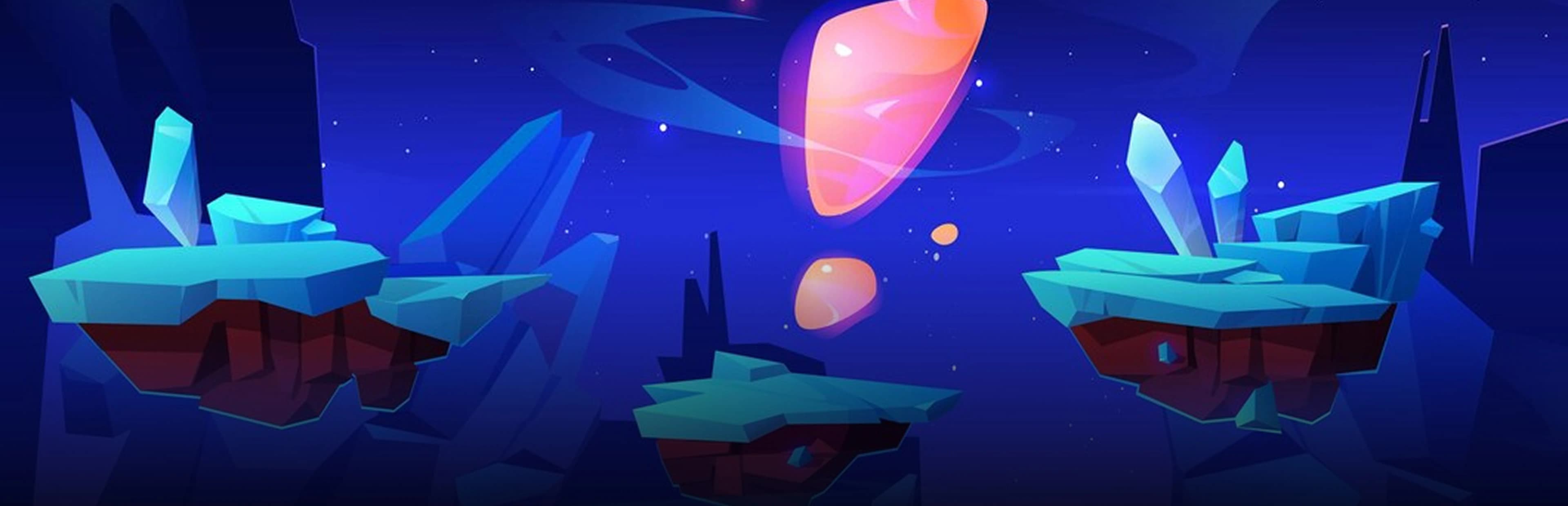
Games that use low poly art game feature simplified 3D models that contain far fewer polygons than other games but still deliver an engaging and instantly recognizable design. Unlike highly complex designs that utilize intricate geometries, low poly artists put their focus on the shapes, proportions, surfaces, lighting, and colors involved in character props and environments. This low poly art style is also very useful for mobile and casual games as well as VR and indie projects. It enables the creative team to achieve the same stylistic coherence as complex background and character designs while keeping the number of polygons to a minimum. The process of making low poly game art consists of modeling, retopology, UV mapping, texturing, optimization, and the final integration into the game engine.
Why Is Low Poly Art So Popular?
Because they combine artistic beauty with cost-efficient production, low-poly images have gained immense popularity. Developers can produce remarkable gaming environments without having to utilize high-resolution models that require great computing power and take time to produce. By using this style, artists can have more creative freedom with different shapes, colors, and light, as well as with simplified textures. Thus, in the case of low-poly gaming artwork, this low poly art style turns out to be useful in mobile games, virtual reality, indie games, simulations, and casual games. For developers who need to create low poly art game, it will be easier to coordinate all the tasks related to the production of assets for the game as it develops.
Benefits of Low Poly Art for Game Development
The benefits of low-poly development go beyond creating a simplified visual appearance. It can help game developers balance performance, production time, visual consistency, and platform requirements. The following advantages explain why this approach continues to be useful for modern game projects.
Better Performance
Optimized models typically need fewer resources than more complicated assets. Low poly game art can achieve visual quality while facilitating smoother gameplay on different devices and platforms by using proper textures, lighting, and LODs in the design.
Faster Production
The employment of simplified geometry in game art can help save modeling time as well and allow artists to make changes more easily. Rather than focusing on details that may be hard to notice during a mission, artists can give more attention to the essential forms, proportions, and materials while creating game objects.
Distinctive Visual Style
Simplification turns out to be an efficient way to form a powerful artistic image. The use of shapes, colors, and material design enables low poly art design to provide characters, locations, and objects with an identifiable look and feel.
Easier Asset Management
For various video games, there would always be several characters, props, buildings, vehicles, and environmental elements. In such a way, it will make the geometry easier to manage and, as a consequence, to organize, optimize, and integrate assets correctly.
Wider Platform Support
Having efficient assets can be extremely effective if we deal with different sorts of mobile games, VR projects, and other platforms with not enough hardware resources. A consistent low poly art style in games can help developers maintain visual quality across different devices without creating completely separate asset pipelines.
Top 10 Low Poly Art Game Development Companies in 2026
These companies have relevant experience in low-poly modeling, stylized 3D art, game-ready assets, or real-time game production. The selection focuses on their documented capabilities and relevance to low poly game art development.
1. Abhiwan Technology
Abhiwan Technology is a game art and development agency that specializes in creating both 2D and 3D game art. The services it provides include the production of characters, environments, models, animation, and game-ready assets. They are capable of executing the entire cycle of 2D/3D game art development, making them an appropriate choice for game developers working on stylized projects with low poly art design.
2. RetroStyle Games
RetroStyle Games is a game art outsourcing company known for its expertise in 2D and 3D art production. Its portfolio contains a wide variety of stylized and low-poly assets, which include characters, environments, props, etc. Such an approach to production makes them suitable for developers pursuing low poly art style in their games.
3. Kevuru Games
Kevuru Games has years of experience in developing 3D game art, including modeling, retopology, UV mapping, baking, texturing, and optimization of various assets. Their work is based on preparing low poly game art for the production of real-time game environments.
4. AAA Game Art Studio
AAA Game Art Studio is a provider of outsourced game art solutions such as low-poly and high-poly 3D modeling. The range of its offerings includes character, environment, prop modeling, animation, texturing, and all other kinds of game art. This allows AAA to help clients with projects where low poly art design must be maintained across various asset segments.
5. PolyGame Studio
Another studio that specializes in the same kind of work is PolyGame Studio, which concerns itself with outsourcing 3D game art and providing services such as character, environment, hard-surface, and organic modeling. Its expertise includes low poly art style, retopology, UV mapping, texturing, and optimization for game engines.
6. Synty Studios
Synty Studios has a huge collection of low-poly 3D assets used in games. It has various types of 3D characters, vehicles, weapons, props, and whole environments that can be used to help with prototypes and production, showing how low poly game art works.
7. Zatun
Zatun is an art and game development studio that provides its clients with several services related to 3D modelling, environment art, character art, and animation. It can create both high- and low-poly assets regardless of the style and also meet requirements needed for real-time development from such game engines as Unity and Unreal.
8. Kenney
Kenney creates a variety of game development resources, tools, and starter kits, including numerous 3D stylized low-poly objects. Its library comprises low poly art design, vehicles, props, and other assets.
9. Meshy
Meshy has developed AI-based tools allowing the creation of 3D models based on text or image references, supporting various degrees of mesh complexity and providing workflows for the generation of game-ready assets. This is particularly useful for teams working with low poly art style in games.
10. Ludo.ai
Ludo.ai offers tools based on AI technology enabling game idea generation and the creation of 3D assets. Its 3D asset generator can produce 3D models based on text or image references and offers different polygon and texture characteristics for work. All these new features are very useful in new low poly game art processes.
Why is low poly art so popular?
The popularity of low-poly art lies in the fusion of aesthetic beauty with effective production and real-time performance. Rather than depending on complicated forms, artists make use of simple shapes, colors, light, and materials to achieve a distinct visual presentation. Thus, the low poly art style in games is suitable for the development of mobile games, VR projects, independent games, simulators, and casual games. Moreover, the ability to control the number of polygons and sizes of textures used contributes to the easier optimization of extensive environments, since the developers can influence the overall complexity of the assets being made.
What software is best for low poly art?
Blender is considered one of the easiest tools to use for low-poly modeling as it can be used for modeling, UV mapping, texturing, rigging, animation, and exporting all in the same workflow. The artists are able to change geometry and eliminate unnecessary polygons while keeping the important designs as they are. Maya and 3ds Max are also pretty popular in the industry, and Substance 3D Painter can also create textures and materials for game art. Depending on the needs of the project, it is up to the team to decide which software should be used for the creation of low poly art in the games. For beginners, Blender is frequently the first choice for creating low poly game art.
Conclusion
A low poly art game provides a relatively good compromise between aesthetic appearance, performance, and ease of production, but success doesn’t depend only on several polygons. The effectiveness of this style in real games depends on the quality of modeling, topology, textures, and lighting, as well as the implementation of the art direction and the requirements of the platform. The companies mentioned in this article have different approaches to stylized 3D production, which include outsourcing companies, libraries of assets, modeling companies, and AI-assisted tools. Before choosing a developer partner, it is necessary to compare the low poly art design, skills, processes of communication, production experience, and compatibility with the targeted platform.
Written By Charu Sharma