Game development has gone far beyond just the making of games for enjoyment by players. Now a wide array of organizations, whether entertainment businesses, educational institutions or startups and companies, are using game development for various needs. A good game development team comprises many different professionals with a variety of creative and technical skills necessary to take a game idea and turn it into a real product. Designing the gameplay and all necessary features of the game, designing visuals, doing quality assurance and launching of the game are just a few of the activities that are done during this process.
What Is a Game Development Team?
The team is made up of specialists who are in charge of creating and developing a game. The size and composition of the team depend on the complexity, platform, features, and goals of the game. For example, a mobile application can be developed by small teams composed of a few designers, developers, and testers. On the other hand, a complicated MMO or 3D game has to be designed and developed by a team consisting of programmers, game designers, 3D-artists, animators, sound designers, UI/UX designers, quality assurance engineers, and project managers. The members of the team cooperate in the process of developing every game.
Key Roles in a Game Development Team
A successful game requires different areas of expertise. Each team member has specific responsibilities that contribute to the overall development process.
Game Designer
The role of game designer is to create an overall concept of the game, storyline and its rules, tasks, characters and its whole experience for players, defining the principles according to which the game is going to function.
Game Developer
Game developers transform design into a real game through programming languages, creating all gameplay systems, controls, AI, functional versions of multiplayer options, etc.
2D and 3D Artists
Artists create characters, scenes, objects, textures, animations and all other visual components. In the case of the games requiring some level of realism, 3D artists are responsible for creating realistic environments and interactive objects.
UI/UX Designer
A UI/UX designer is responsible for making the interfaces that a player can use while playing a game, including overall navigation, menus, and buttons.
QA Tester
QA testers make sure that there are no bugs or malfunctions in the game, and that the performance of the game is optimal and is compatible with all devices. Testing of the game is necessary to ensure that it functions as it should on different devices and platforms.
Project Manager
The project manager is responsible for the overall direction of the development process. The project manager coordinates the development team and manages all resources.
Different Types of Game Development Services
A professional game development team can create different types of games in accordance with the needs of its customer, target audience, as well as the platform being used. These game development services encompass the entire process of development, ranging from concept through design to testing and delivery.
Mobile Game Development
Mobile games are designed for mobile devices and can work on platforms like Android and iOS. They feature all game types: casual games, arcade games, strategy games, sports games, simulation games, and many others. Mobile Game Development requires great care of device compatibility, performance, controls, and screen sizes, as well as user experience. The development team works on the optimization of games to ensure they run smoothly while using as few device resources, such as battery and memory, as possible.
PC Game Development
PC games can have various graphics and game mechanics, complex gameplays, and extensive worlds. Developers can produce games belonging to this genre, including but not limited to: strategy games, role-playing games, simulation games, action games, and races. PC games also need to have support for keyboard use, mouse or game controller, and high-resolution displays.
Console Game Development
Development of console games needs programming and optimizing for platforms such as PlayStation, Xbox, and Nintendo. These projects usually require complex gameplay mechanics, high-quality graphics, and good performance for devices equipped with a controller. Experts in console gaming development will help companies launch a game for consoles taking into account the peculiarities of such platforms and the expected performances.
Multiplayer Game Development
Multiplayer games allow several players to play together in one environment. This means that developing the game involves additional elements such as networking, matchmaking, player synchronization, user accounts, and server-side systems. The games must be stable and fast while connecting a lot of players at the same time.
2D and 3D Game Development
Two dimensional (2D) games are created utilizing visuals in two dimensions. They are frequently found in casual games, puzzle games, platform games, as well as any arcade game. Unlike 3D games, these games are capable of providing immersive gameplay without the need for overly complicated environments.
Three dimensional (3D) games make use of 3D objects and therefore are able to provide depth as well as an immersive environment using 3D models, textures, animations, light, sound, and physics. 3-D games can commonly be found in action games, simulations, as well as various types of realistic games.
AR and VR Game Development
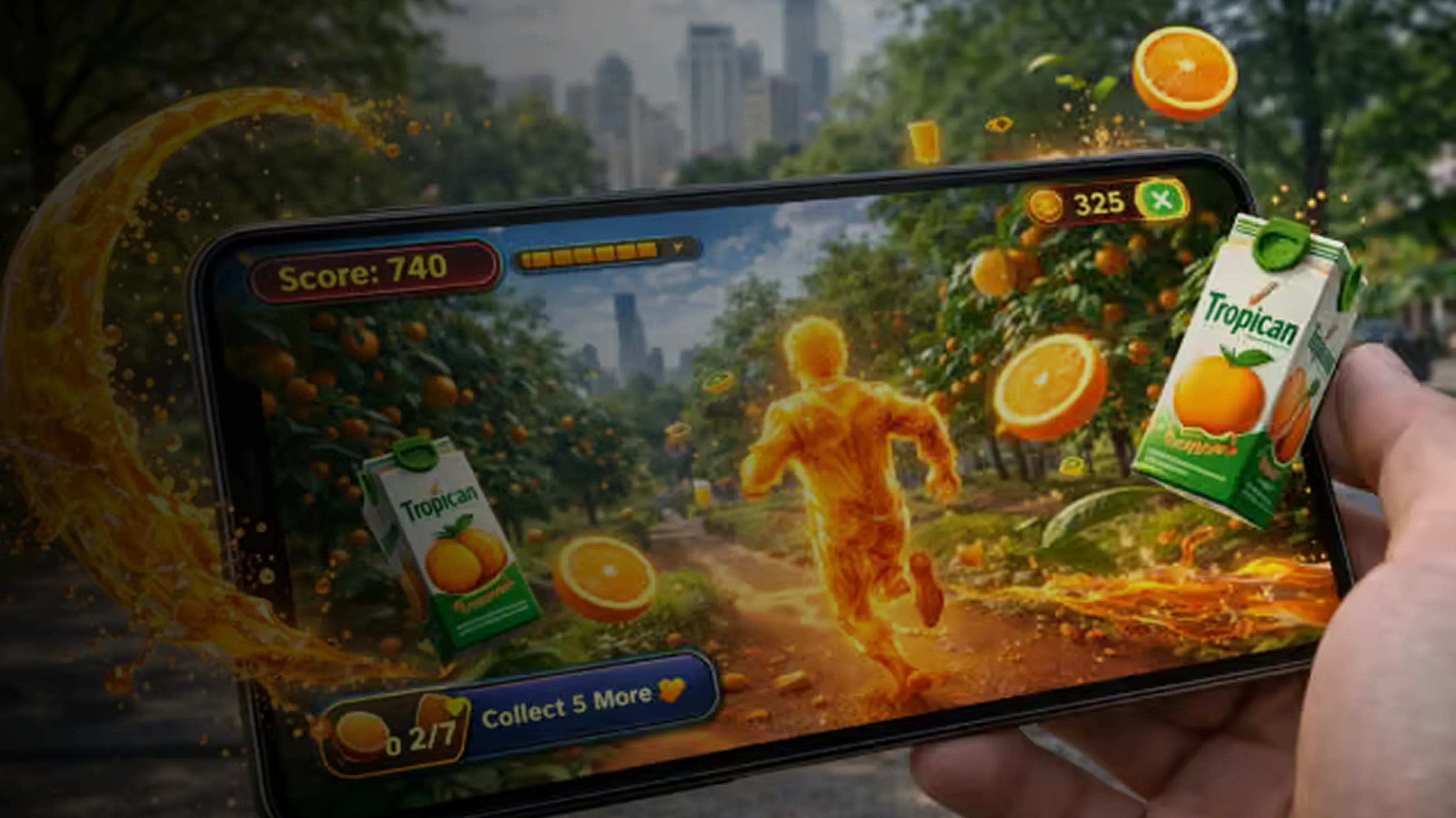
Augmented reality and virtual reality technologies make gaming experiences more immersive. For AR games, a combination of the digital world with the real world is done, while virtual reality games are entirely out of reality.
Augmented reality projects encompass technologies like motion tracking, spatial interaction, 3D environments, hand tracking, and immersive interfaces. The best results can be achieved by a dedicated team that mixes creative thinking in game design with technologies.
Game Development Education and Training
Games can also be used beyond entertainment. Game development education can introduce students to programming, game design, 3D modeling, storytelling, problem-solving, and interactive technology. Learning through games can make the entire learning process much more interactive, as students will engage with what they learn rather than just read about it. At the same time, businesses can also take advantage of the game-based learning approach when they use games for training and onboarding employees. Educational games can be developed by one of the development teams for certain learning objectives, age groups, topics, or needs.
Technologies Used by Game Development Teams
Contemporary video game development integrates a variety of creative instruments, development tools, and technologies. Both Unity and Unreal Engine are examples of popular game engines used to create interactive applications on various platforms.
3D modeling and animation tools, artificial intelligence technologies, cloud computing, multiplayer communication technologies, analytics systems and backend technology are also common technologies used by teams.
The technology stack may vary depending on the type of the game, the target platform and its features and capabilities. Therefore, selecting appropriate technologies from the very start allows game creators to increase development productivity and improve the final user experience.
Why Choose the Right Game Development Team?
Besides coming up with an interesting idea, the quality of a game depends upon a range of factors such as the comprehension of the target audience, gameplay specifications, technical aspects, platform requirements, and business goals.
Every experienced development team is aware of technical requirements and will be able to choose the most appropriate technologies, design interesting gameplay, improve performance, and test the game before launching it.
Every reliable development partner will help businesses develop games for entertainment, educational purposes, training, marketing and more.
Conclusion
In order to turn ideas into engaging games, a proficient Game Development Team consists of game creators, developers, artists, animators, UI/UX designers, and QA testers. Whether you are looking for mobile, PC, console, multiplayer, 2D, 3D, AR, VR, or educational games, a correct team can help you during the process. An experienced developer can assist you not only with choosing the proper technology but also with enhancing your game performance and improving the player experience.
Written By Vaibhav Karanwal